

Summer in Greece isn’t just a season. It’s almost sacred — a time that’s been built into our cultural DNA for generations. Whether it’s a short weekend escape or a two-week break by the sea, Greek summer vacations aren’t seen as a luxury. They’re a non-negotiable. Even if that means squeezing five people, a beach umbrella, and a watermelon into the car.
As I talk to friends, I keep hearing the same kinds of thoughts. They reflect the mindset of most middle-class Greeks — practical, emotional, and shaped by decades of “Greek summer logic.”

So how do Greeks decide where to go?
It’s rarely a random pick. Here are some of the top things people consider:
- “How long is the drive?” Anything over 4–5 hours becomes a mental debate.
- “Can we find a place close to the beach?” Walking distance is ideal — driving and parking every day is a deal-breaker.
- “Can we go somewhere new… or should we just go to the same trusted spot again?”
- “Do we have to take a ferry?” If yes, we better book early — and make sure it fits the budget.
- “Can we cook in the room?” A kitchenette can mean big savings — especially for families.
- “Will it be crowded or peaceful?” The eternal Greek dilemma: quiet vs. lively.
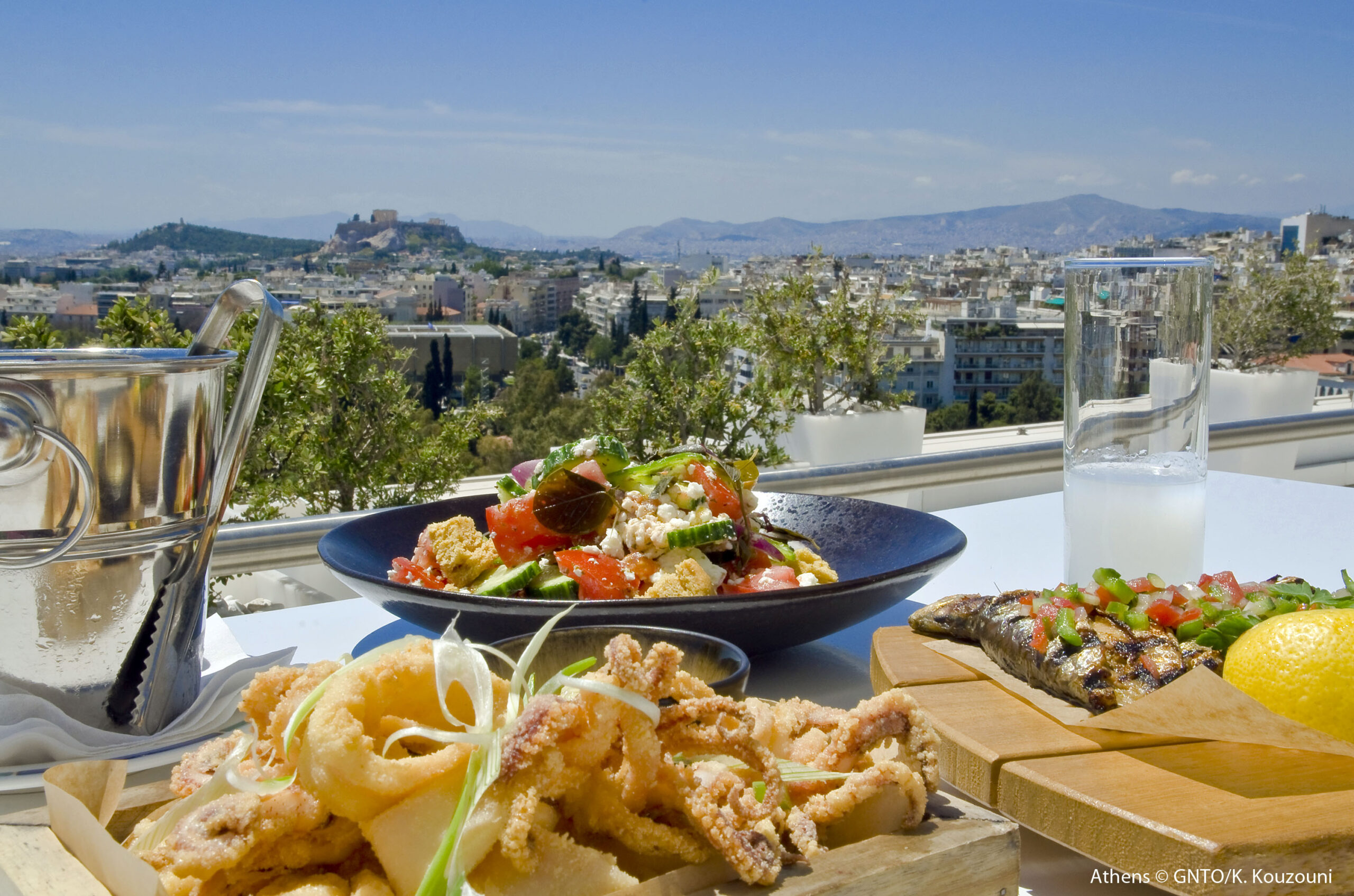
- “Is there a taverna nearby that doesn’t charge €18 for a Greek salad?”
Basically, we all want the same thing: a beach, some shade, clean sheets, good food, and zero stress — for the best possible price.

Timing is everything
For most working Greeks, August is not a choice — it’s a fact. Offices, public services, and even cities slow down or shut down completely in mid-August. It’s the default vacation month.
For families, school schedules play a huge role too. Even if you’d prefer to travel in June or September, the school calendar decides otherwise.
If you’re lucky enough to have flexible time off or fewer obligations, June and early September have become the sweet spots — less crowded, slightly cheaper, and still full of sunshine.
Budget — and how many days you can afford
Vacation planning is almost always budget-driven. Even before choosing the destination, most people ask:
- “How many days can we realistically go for?”
- “Can we find something decent for under €100 a night?”
- “How much will the gas, tolls, and ferry cost?”
- “Are sunbeds included or do we pay extra?”
A big part of the Greek summer experience is about value — how to get the most out of the days and money we have.
Word of mouth still rules
Even in the age of Instagram and booking platforms, word of mouth remains one of the most powerful decision-makers. A friend’s tip about a quiet beach, a great-value hotel, or a hidden local taverna can easily become the reason someone books their whole vacation around that spot.
Whether it’s a cousin who “swears by that family-run pension in Sifnos” or a coworker who “found paradise near Pylos,” Greeks still rely heavily on personal recommendations — trusted, real, and proven.
Geography matters
Another silent influencer? Geography.
If you’re in Northern Greece, maybe Halkidiki or Thassos is your go-to. If you’re in Athens, you’re probably hopping on a ferry to the Cyclades. People often stay “in their zone” — partly for convenience, partly because “we’ve always gone there.”
The farther the destination, the more calculations begin — fuel cost, ferry tickets, tolls, time spent driving. It’s all part of the decision.
And what about Greek living abroad?
For Greeks who live outside of Greece — whether in the U.S., Canada, Australia, Germany, or the UK — summer vacations often carry deep emotional meaning. Most try to come for at least a month, traveling as soon as school ends in their country and staying until after August 15th, just in time to return before the school year or work resumes.
The trip usually starts with a return to their family’s village or hometown, reconnecting with grandparents, relatives, and local traditions. After that, many plan a short getaway somewhere new — an island, a coastal town, or a favorite seaside spot — often joined by friends or extended family. It’s a beautiful blend of nostalgia, reconnection, and discovery, and for many, it’s a yearly ritual that keeps them close to their roots.