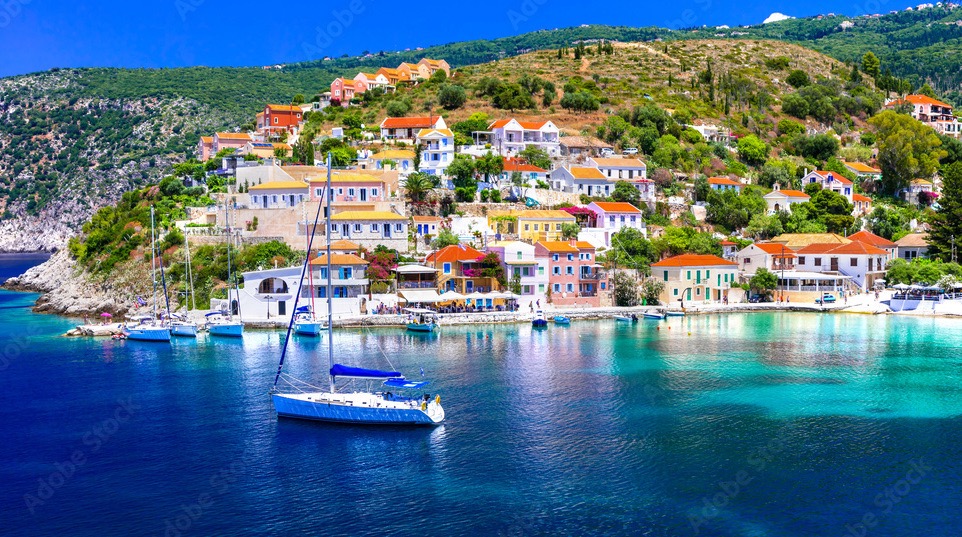
with Petro, whose heart belongs to Kefalonia
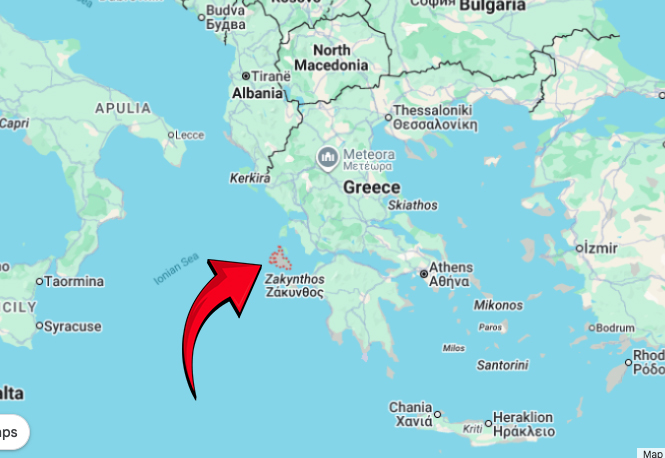
Petro is one of those friends who never lets a summer go by without announcing exactly when he’ll be in Kefalonia. Born and raised in the U.S., but with both parents from the island, he spent every childhood summer there — and still does.
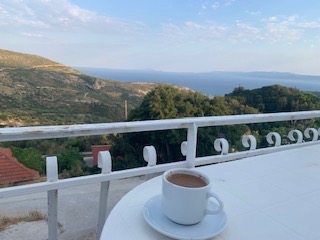
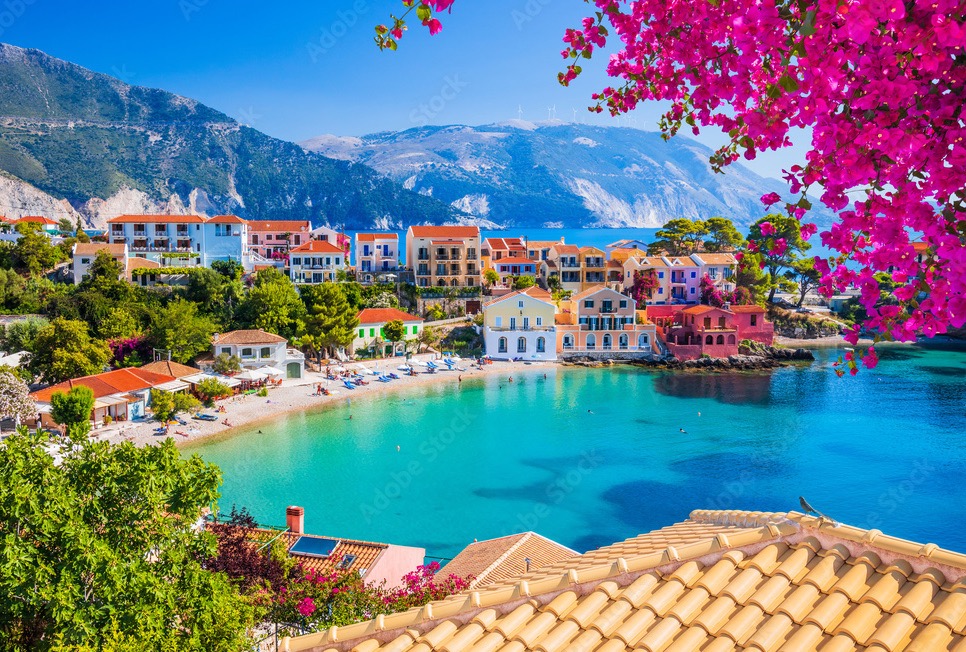
He knows all of Greece, but Kefalonia is the one place he’ll always be proud to show off. His family has homes in Argostoli and in Pastra, a quiet village near Skala Beach — that’s my personal favorite. When we visited three summers ago with the “Astoria crew”, we stayed in Pastra. I still remember having my morning coffee on the balcony, taking in that incredible view.
Petro’s house is always open to anyone who knows him, and he’s the kind of host who makes you feel like family the moment you arrive. He’s warm, generous, and knows how to make you feel at home — the best host ever.
If you’re planning to visit Kefalonia, here’s Petro’s advice:
How many days do you need in Kefalonia?
“A week is enough to get to know the island — Kefalonia is big, the sixth largest in Greece, and you’ll definitely need a car to get around.”
Best time to visit Kefalonia
“Kefalonia is magical year-round. Most tourists come between late May and early October. The busiest time is around August 15.”
Best Beaches in Kefalonia (Petro’s picks)
“Myrtos, Fteri, Antisamos, Makris Gialos, and Skala — those are some of the best. But honestly, the real magic is in the beaches you can’t get to by car. Rent a boat for the day and explore. You won’t regret it.”
Where to Eat in Kefalonia
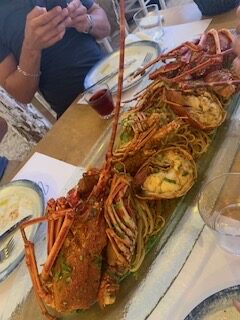
“In all the years I’ve been going, I’ve never had a bad meal. Everything’s fresh, local, and farm-to-table. In Argostoli, I really like Keani Akti. And if you’re into lobster pasta, you have to go to Vinaries. The presentation alone is worth it.”
History Tip
“In 1953 there was a massive earthquake that destroyed most of the island. Only one village remained: Fiskardo, at the northern tip. It still has its original architecture — narrow streets, Venetian-style buildings — it’s like stepping back in time.”
Must see:
1. Mount “Aenos.” It is home, not only to an indigenous tree that only grows there, the Kefalonia Spruce, but also to ancient breed of wild horses that still roam free on the mountain top.
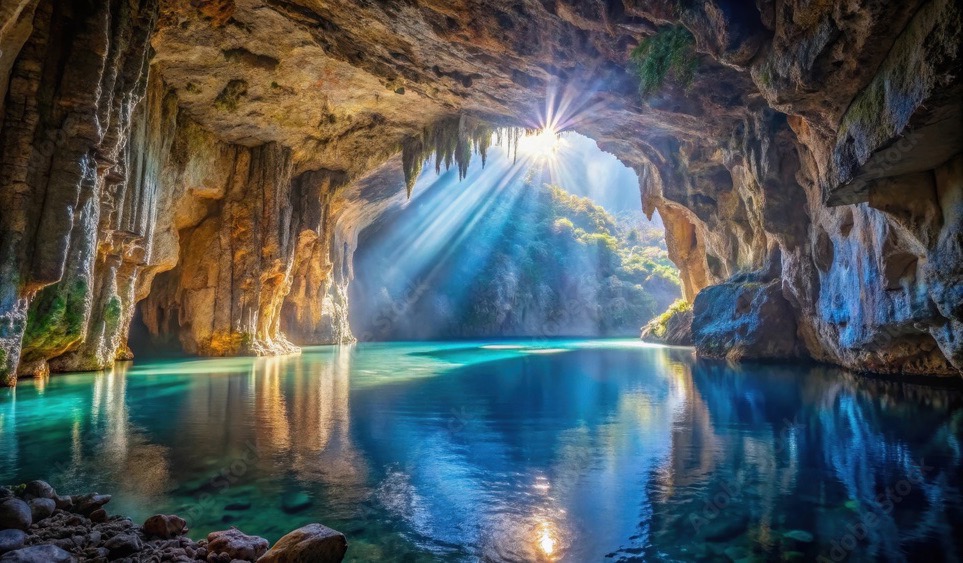
2. Melissa Lake. Tale a boat ride in the underground lake with waters as blue as the sky.
3. Drogorati Cave. An impressive underground cave filled with stalactites and stalagmites. This cave was once used for live musical concerts, due to its unbelievable acoustics.
The Culture of Kefalonia: A Greek–Italian Blend
“Kefalonia was under Venetian rule for many years. The result is this really unique blend of Greek and Italian culture — you see it in the food, the music, even the way people talk.”
Why You Should Visit Kefalonia (Petro’s words)
“I would recommend Kefalonia to everyone. Because it’s such a big island, it truly has something for any appetite. It’s a destination full of amazing food, friendly people, beautiful beaches, and a truly rich heritage.”
“Like Odysseus constantly yearning to return home, so do all people from Kefalonia… no matter where in the world they live!”
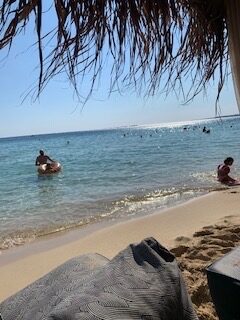
The last three photos in this post were taken by me — moments I’ll never forget:
• the view from Petro’s balcony in Pastra, where I had my morning coffee,
• my favorite beach day on the island,
• and that unforgettable lobster pasta at Vinaries.
Kefalonia isn’t just beautiful — it’s personal.