

Olive trees in Greek history
The olive tree has been cultivated in the Greek world since ancient times and is one of the most symbolic trees of the Mediterranean. Evidence of olive cultivation dates back to 4000 BC, while archaeological findings indicate the presence of olive trees in Greece for tens of thousands of years.
In ancient Greece, the olive tree was not merely a crop, but a symbol of peace, wisdom, and endurance. References to olives and olive oil appear in the works of Homer, Hippocrates, Galen, and Dioscorides, who documented the therapeutic uses of every part of the tree — from the fruit to the leaves and oil.
Unlike other Mediterranean regions, Greece has maintained continuous olive cultivation for over 4,000–5,000 years without interruption, making the olive tree inseparable from Greek land, history, and identity.

Olive cultivation across the Mediterranean
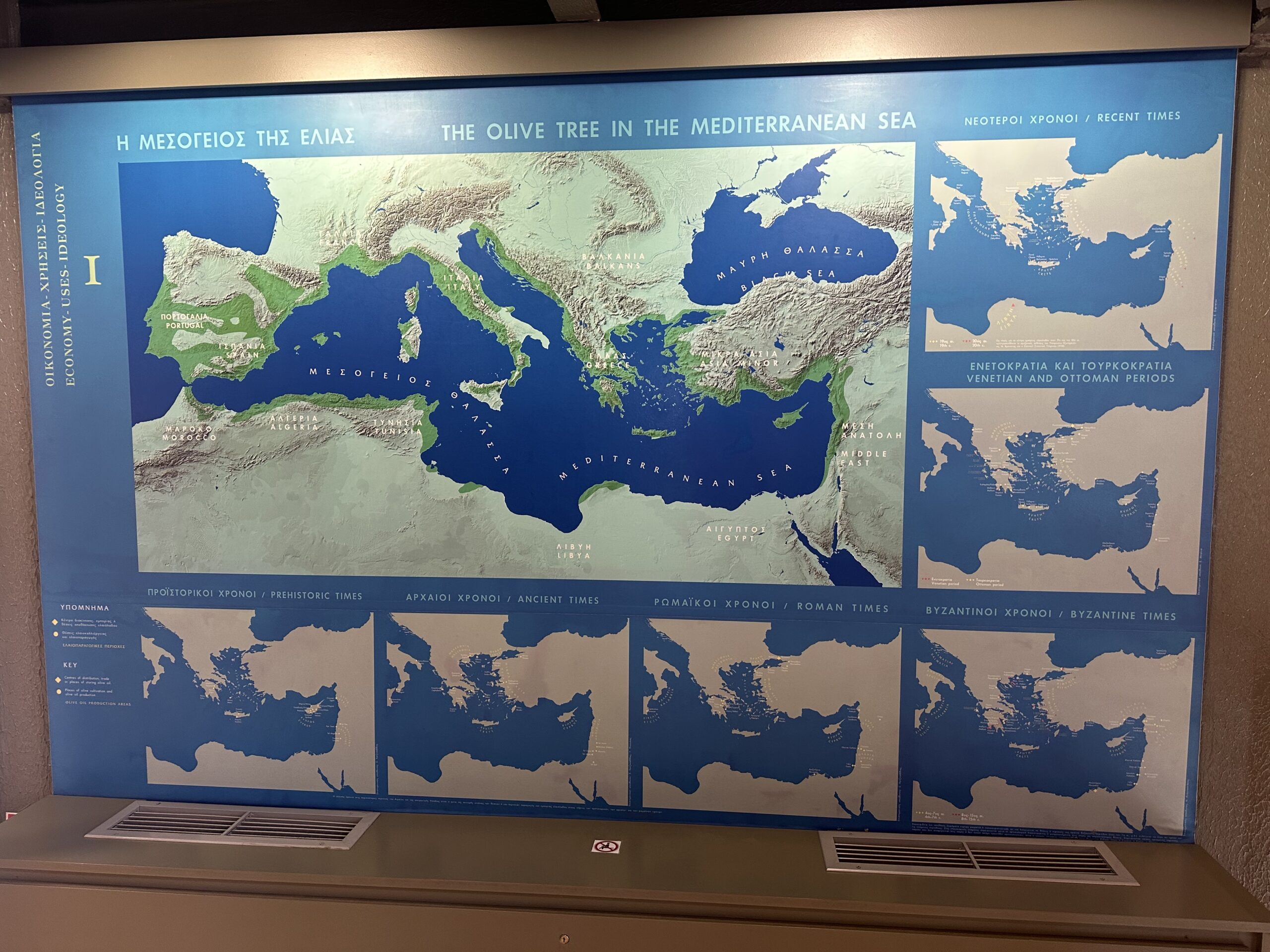
The mild Mediterranean climate allowed olive cultivation to spread across regions such as Greece, Italy, Spain, Turkey, and North Africa. Archaeological remains of olive oil storage vessels have been found throughout the Mediterranean, confirming its importance in ancient economies and daily life.
However, Greece stands out as the only Mediterranean country where edible olives and edible olive oil were produced continuously from antiquity to the present day, forming the backbone of everyday nutrition rather than a luxury product.
Today, olive cultivation in Greece is concentrated mainly in Crete, the Peloponnese, Halkidiki, and selected islands of the Aegean and Ionian Seas.
Olive oil and the Mediterranean Diet
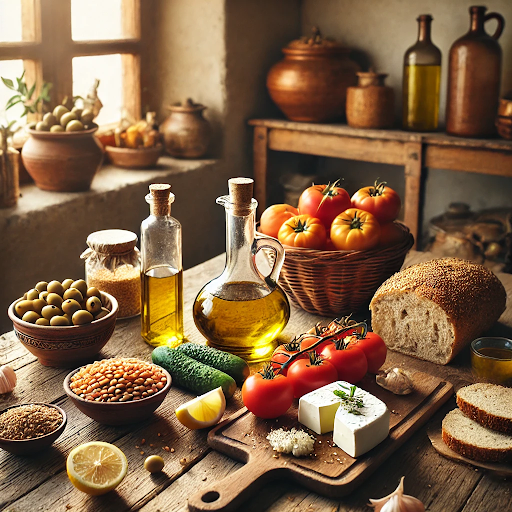
The Mediterranean Diet is internationally recognized as one of the healthiest dietary patterns in the world. It emphasizes plant-based foods, seasonal ingredients, and simple cooking methods — with olive oil as the primary source of fat.
Olive oil is rich in monounsaturated fatty acids, providing both energy and essential nutrients. One gram of olive oil yields approximately 9.3 calories, and its lipid composition closely resembles that of human breast milk, allowing for efficient absorption and metabolic balance.
In addition to fats, olive oil contains a wide range of bioactive compounds, including antioxidants and phenolic substances that play a vital role in human health.
Scientific evidence: olive oil and human health
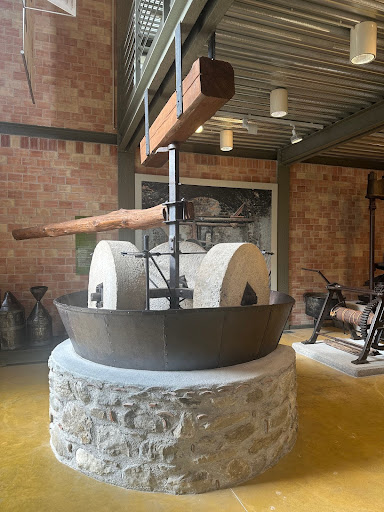
Numerous studies have shown that regular consumption of high-quality virgin and extra virgin olive oil is associated with lower rates of chronic diseases. As a natural product, virgin olive oil undergoes no processing that would alter its natural characteristics.
Scientific research highlights olive oil’s role in:
-
cardiovascular protection
-
metabolic health
-
anti-inflammatory processes
-
antioxidant defense
More recent studies also demonstrate that strong adherence to the Mediterranean Diet is linked not only to reduced cognitive decline and cerebrovascular risk, but also to a lower risk of depression. The neuroprotective properties of olive oil are attributed mainly to its phenolic compounds and antioxidant activity.
Olive oil from Laconia and Gytheio
Gytheio, the historic port of Laconia, has long been a center of agricultural production and export. Alongside citrus fruits, olive oil remains one of the region’s most important products.
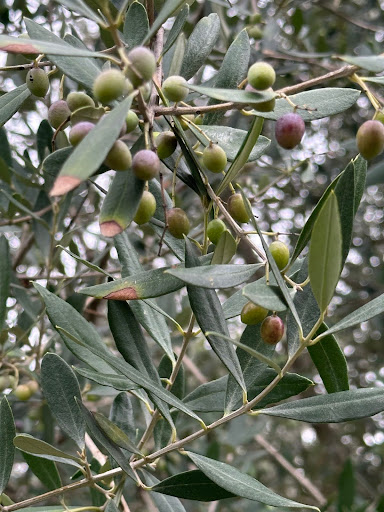
Olive oil produced in the Mani and Gytheio region is derived exclusively from the Koroneiki olive variety, which thrives in the local soil and climate. This olive oil is known for its:
-
deep green color
-
fresh, fruity aroma
-
balanced, peppery finish
The olive groves of Laconia represent a living connection between landscape, tradition, and daily life.
Final thoughts
The olive tree and olive oil are not trends or dietary fashions. They are part of a living food culture that has supported human health for thousands of years.
As Hippocrates famously stated:
“Let food be thy medicine and medicine be thy food.”
At the heart of the Mediterranean Diet lies olive oil — a product that connects history, science, and everyday life in the most natural way.
Introducing Eirini Katidou
Eirini Katidou is a registered dietitian with a passion for nutrition that goes far beyond trends or beauty standards. I’m lucky to call her a friend — someone whose approach to health is as kind, thoughtful, and grounded as she is.
Her work focuses not on weight loss for appearance, but on nourishing the body to feel strong, healthy, and well. She regularly attends seminars on how nutrition can support the prevention and management of chronic illnesses — from heart disease to autoimmune conditions — and applies that knowledge in a deeply practical way.
What sets Eirini apart is how personalized her approach is. Her dietary programs are always tailored to each person’s individual needs, lifestyle, and goals, with one clear foundation: the Mediterranean diet. She uses this traditional way of eating — simple, seasonal, and balanced — to help people reconnect with food in a way that supports both health and enjoyment.
Eirini believes that healthy eating should never feel like punishment. Her philosophy is simple: your relationship with food should be respectful, joyful, and rooted in real life — not perfection.